
Teaching speacial needs
Pathway: STEM
Among the students are a few children with Autism Spectrum Disorder (ASD) and Attention Deficit Hyperactivity Disorder (ADHD). One child with ASD is intensely focused on building an intricate structure with blocks, while another child with ADHD is enthusiastically bouncing from one activity station to the next, struggling to settle on a single task. How can I accurately identify students with ASD and ADHD in my KG2 class when their behaviors might be similar to typical developmental phases? What strategies can I use to manage off-task behaviors in students with ASD and ADHD without disrupting the rest of the class? How can I tailor my lessons to meet the diverse learning needs of students with ASD and ADHD while ensuring other students stay engaged? How can I facilitate positive social interactions between students with ASD and their peers in the classroom? What techniques can I use to help students with ASD and ADHD regulate their emotions and manage meltdowns in the classroom? How can I effectively communicate with students with ASD and ADHD who may have difficulty understanding verbal instructions or expressing their needs? How can I work with parents of students with ASD and ADHD to ensure consistency in strategies and support both at home and in school? What resources and support systems are available to help me teach students with ASD and ADHD effectively in my classroom?
#ASD#ADHD
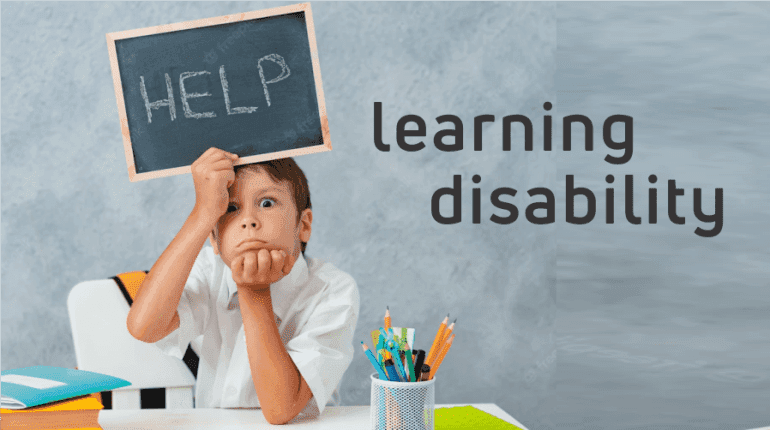
1. Differentiate and analyze behavioral indicators distinguishing students with ASD and ADHD from typical developmental behaviors.
Learning Targets:
1. Collect and document behavioral observations using standardized developmental milestone checklists.
2. Compare observed behaviors against clinical criteria for ASD and ADHD using evidence-based frameworks.
3. Analyze case studies and video observations to identify subtle behavioral patterns unique to ASD and ADHD.
4. Utilize diagnostic tools and screening instruments to corroborate behavioral assessments.
Modules
2. Implement effective classroom management strategies tailored to students with ASD and ADHD.
Learning Targets:
1. Apply evidence-based behavior management frameworks such as Positive Behavioral Interventions and Supports (PBIS) to structure the classroom environment.
2. Develop and execute individualized behavior support plans based on student-specific needs.
3. Integrate cueing techniques, structured routines, and visual supports to improve task engagement.
4. Monitor and adjust intervention strategies using data-driven decision-making processes.